Resort Development
How to Plan a Luxury Tented Resort
Planning a luxury tented resort requires more than selecting attractive accommodation.
The layout of the property, guest circulation, relationship between structures, service infrastructure, and surrounding landscape all influence the success of the destination.
A thoughtful master plan brings these elements together before detailed design and construction begin. This guide explores the architectural and practical considerations involved in developing a coordinated luxury tented resort.
Begin With a Site Assessment
Start by understanding the land.
Review topography, vegetation, drainage, views, access points, existing buildings, utilities, and environmental constraints.
Identify areas that may be suitable for accommodation, shared facilities, service access, and open space.
A professional survey and site-specific studies may be necessary before the project can proceed beyond the concept stage.
Define the Resort's Accommodation Mix
Different guest groups may require different structures.
A resort could include intimate guest suites, larger premium accommodation, family units, and accessible accommodation designed to comply with applicable requirements.
The balance between these categories should reflect market research, operational strategy, and the intended positioning of the destination.
A varied accommodation mix can also influence overall site planning, privacy, and circulation.
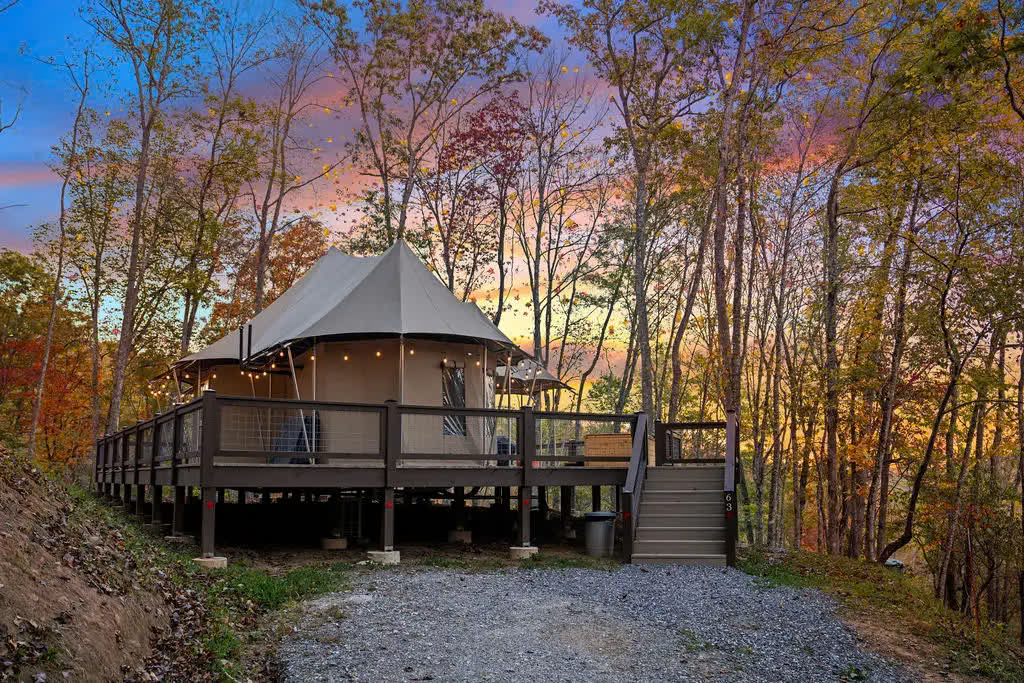
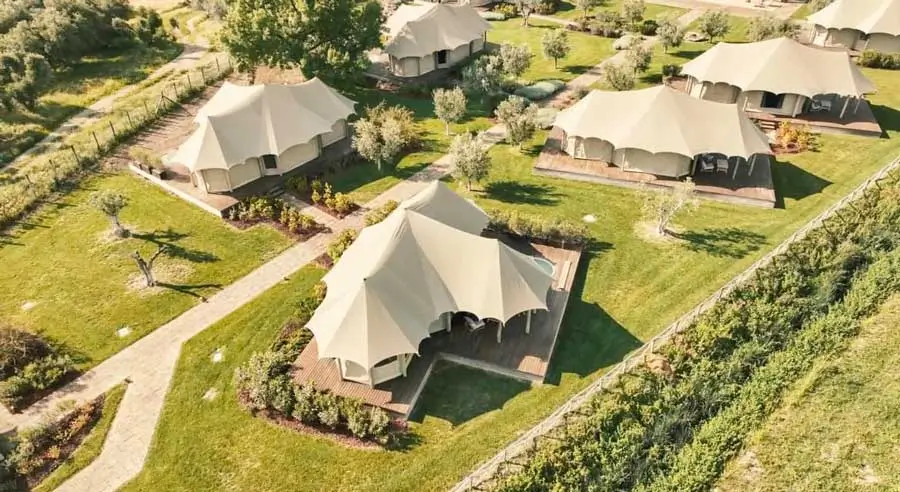
Position Structures Around the Guest Experience
The arrangement of individual units matters as much as their appearance.
Consider views, visual privacy, orientation, prevailing winds, sunlight, pedestrian routes, vehicle access, and proximity to shared facilities.
Positioning structures too close together may reduce the feeling of privacy that guests expect from luxury nature-based hospitality.
Think about the experience of walking from reception to accommodation and from accommodation to communal areas.
Plan Shared Hospitality Spaces
A complete resort may require more than guest accommodation.
Reception, dining, spa facilities, activity areas, staff support, and gathering spaces should be included in the master plan from an early stage.
The size and position of these facilities influence daily operations and the guest experience.
Restaurant and communal structures often require different architectural and engineering considerations from accommodation tents.
Coordinate Infrastructure Early
Utilities can have a major influence on the final layout.
Evaluate electricity distribution, water supply, wastewater systems, lighting, drainage, fire access, service roads, and communications infrastructure.
Coordinate these with local engineers and contractors before finalizing tent positions.
A layout that appears attractive on paper may require substantial revision if infrastructure is considered too late.
Integrate the Landscape
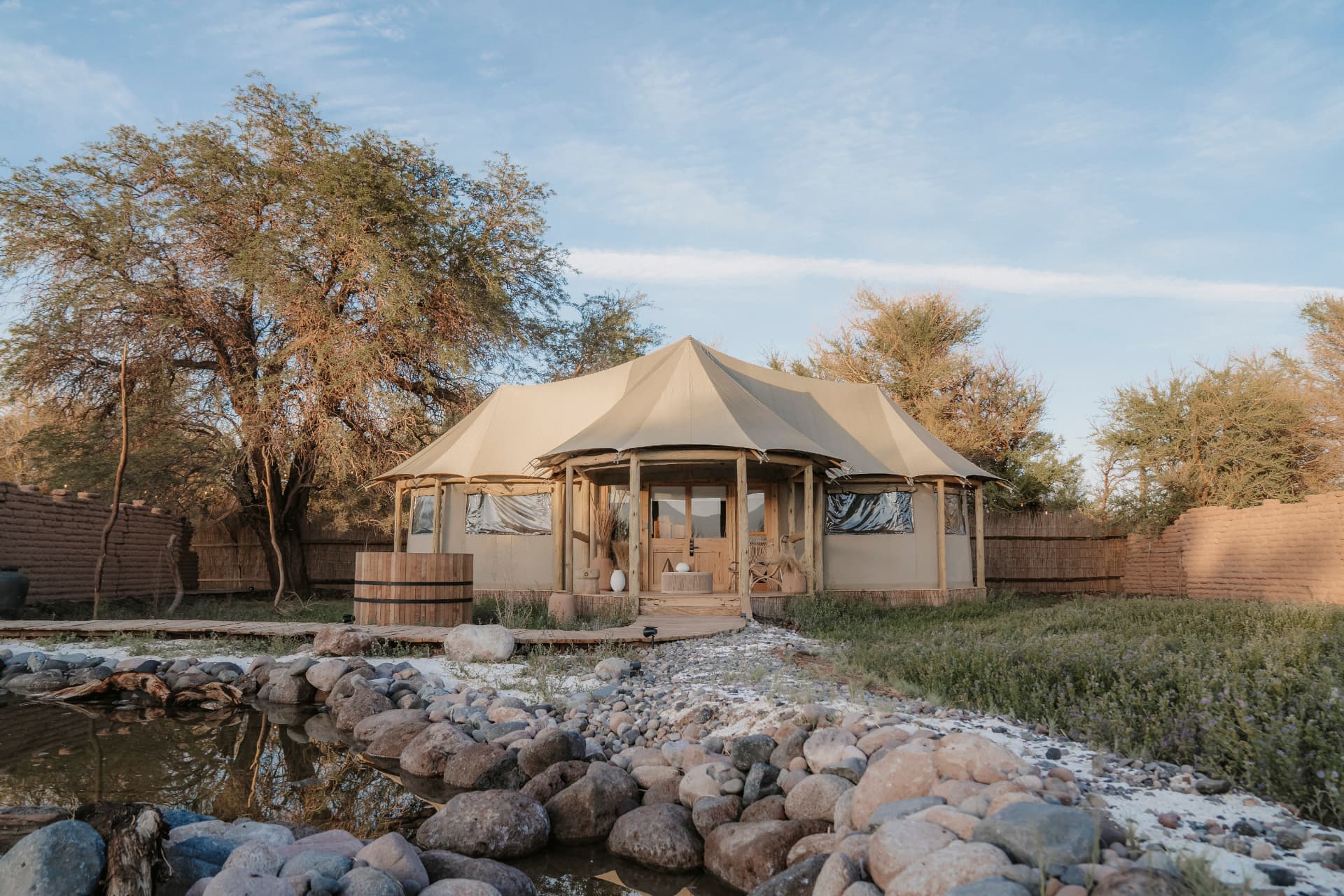
Natural features can become defining elements of a hospitality experience.
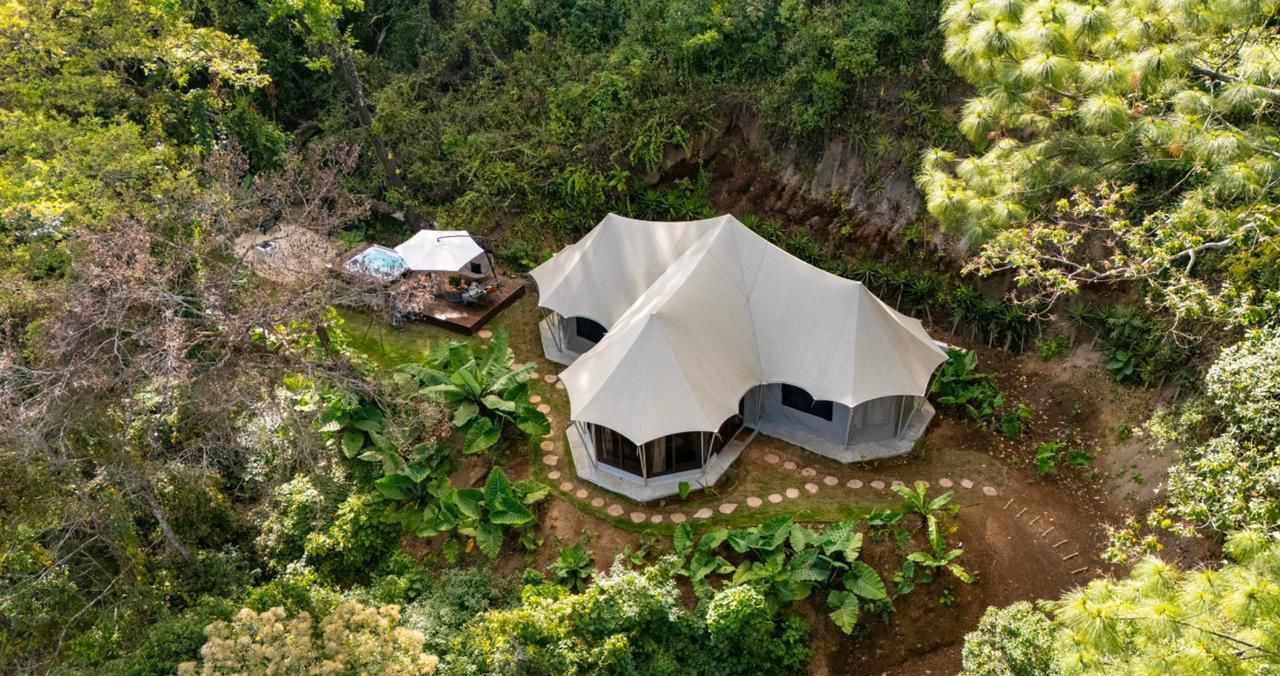
Existing trees, rock formations, views, pathways, and changes in elevation may guide the placement of accommodation and public facilities.
Landscape design should also consider erosion control, stormwater movement, privacy planting, and long-term maintenance.
The objective is to create a destination that feels connected to its environment.
Select Appropriate Tent Specifications
Once the broad master plan is established, tent specifications can be evaluated in greater detail.
Review structural dimensions, openings, veranda arrangements, internal layouts, insulation options, framing configurations, and the requirements of proposed decks and foundations.
Wind, snow, exposure, and other structural requirements must be evaluated for the actual site.
Customization should be coordinated with relevant engineering and architectural teams.
Consider Construction and Installation Logistics
Plan for manufacturing lead times, freight, customs, unloading, storage, foundations, and access for installation crews.
The sequencing of these activities can affect the overall project schedule.
For developments involving many structures, consider whether a phased delivery and installation schedule would be useful.
Allow the Master Plan to Evolve
Early planning should establish a coherent architectural direction without assuming every technical decision has already been finalized.
A good master plan can evolve as detailed surveys, engineering, permitting, costing, and operations planning provide more information.
A Complete Destination
The most successful luxury tented resorts are developed as complete destinations rather than collections of unrelated accommodation units.
By integrating architecture, landscape, infrastructure, and hospitality operations from the beginning, developers can establish a stronger foundation for an exceptional guest experience.
Continue Exploring
Start Planning Your Destination
Explore the Exclusive Tents collection and discuss the architectural possibilities for your resort project.