Tented Architecture
Luxury Safari Tents vs. Traditional Buildings: What Should Resort Developers Consider?
When planning a new hospitality development, one of the earliest decisions is the type of accommodation to build.
Traditional construction may be the obvious choice for many projects, but luxury tented architecture offers an alternative that can create a very different guest experience.
Neither approach is universally better. The right solution depends on the property, the intended use, local regulations, budget, climate, and long-term operational expectations.
Architectural Character and Guest Experience
Conventional buildings can accommodate an enormous range of architectural styles and construction systems.
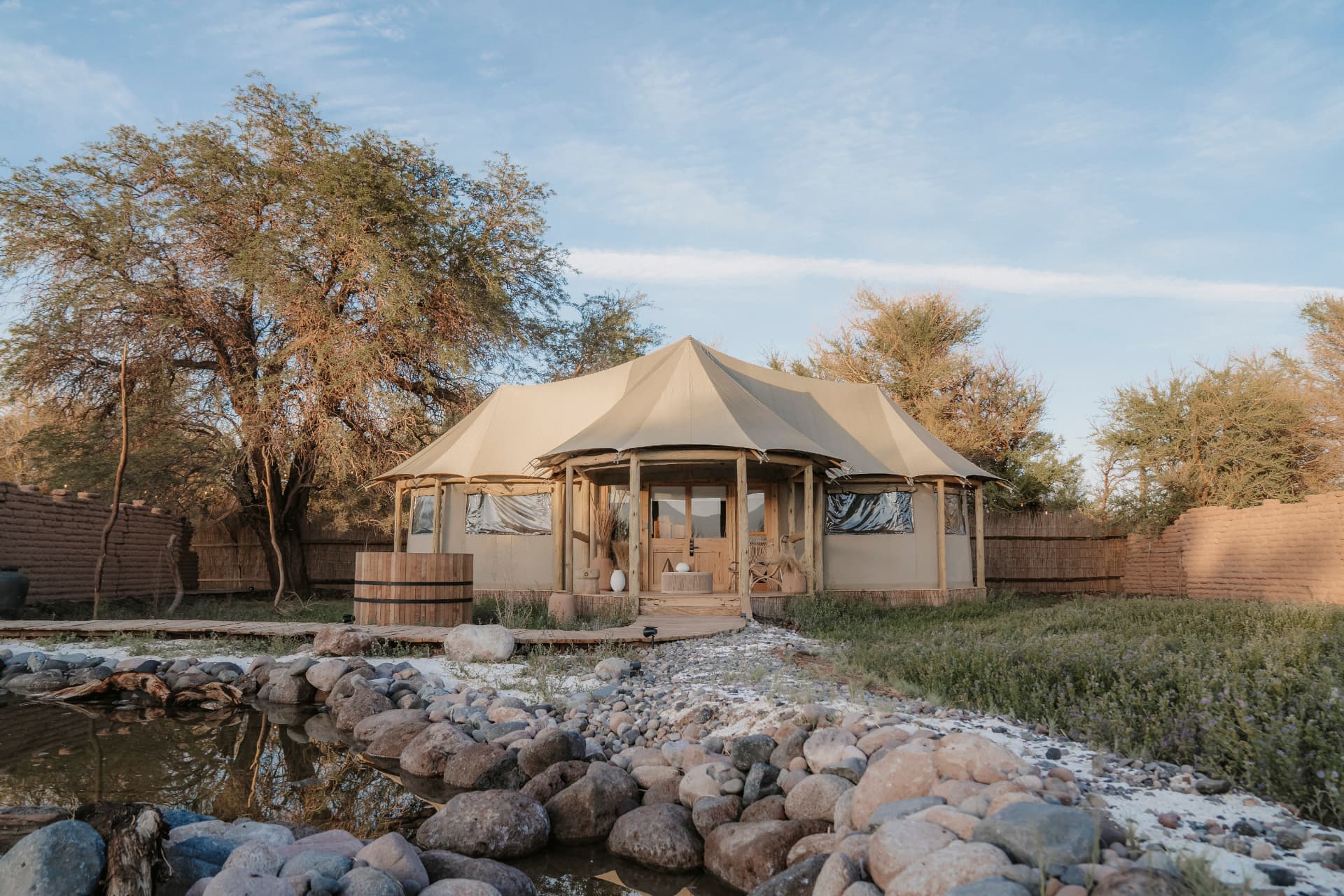
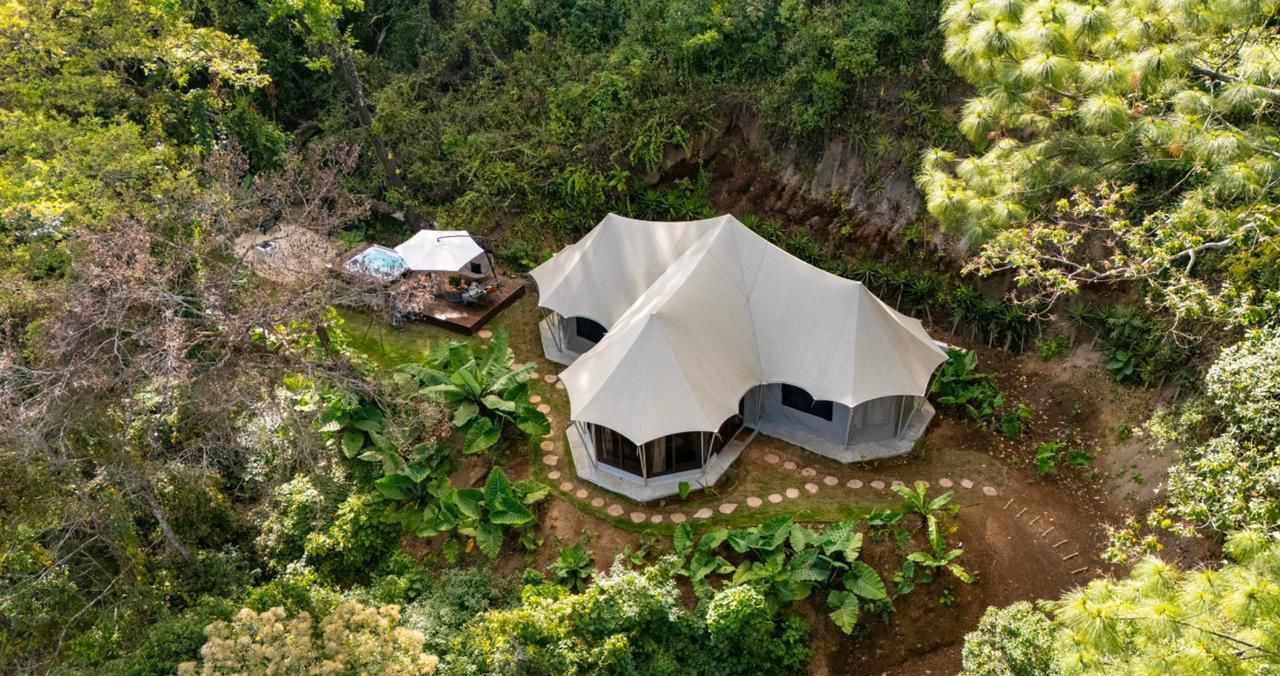
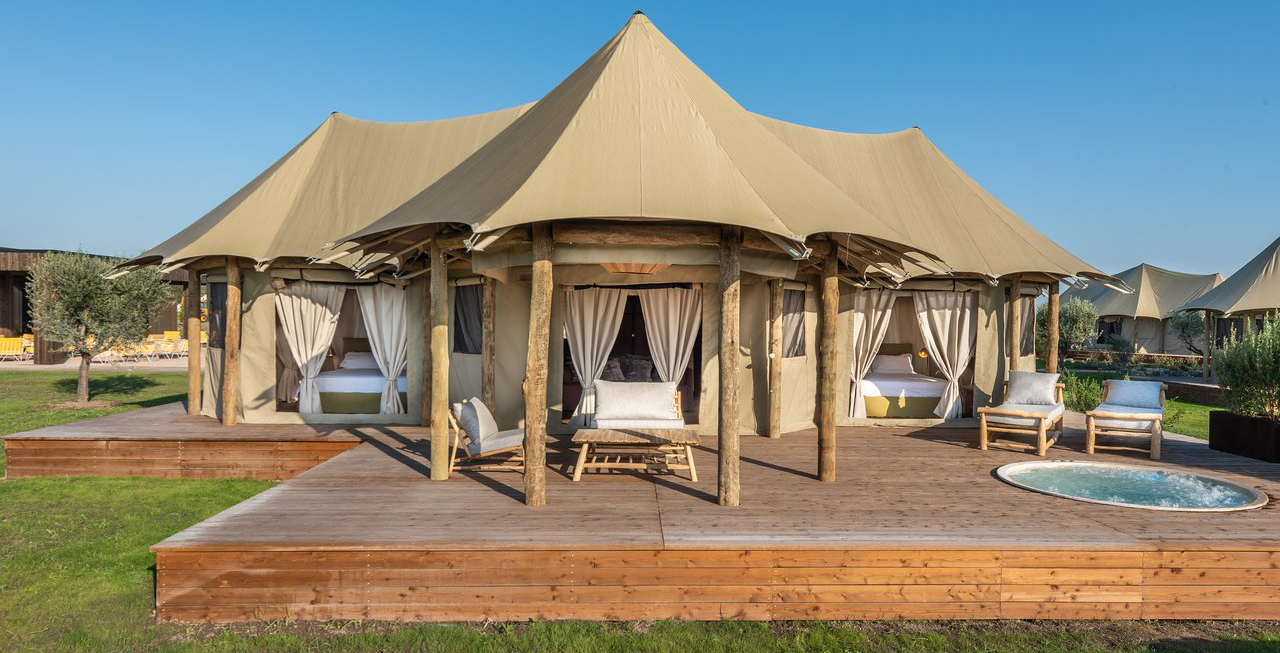
Luxury safari tents provide a recognizable alternative, with architectural forms that can emphasize natural surroundings, covered outdoor living, and a distinctive sense of place.
This can be particularly compelling for safari lodges, nature retreats, and boutique hospitality destinations.
A tented structure should still be designed as a complete accommodation experience, with appropriate interiors and guest amenities.
Design Flexibility
Traditional construction often offers extensive flexibility through established building systems.
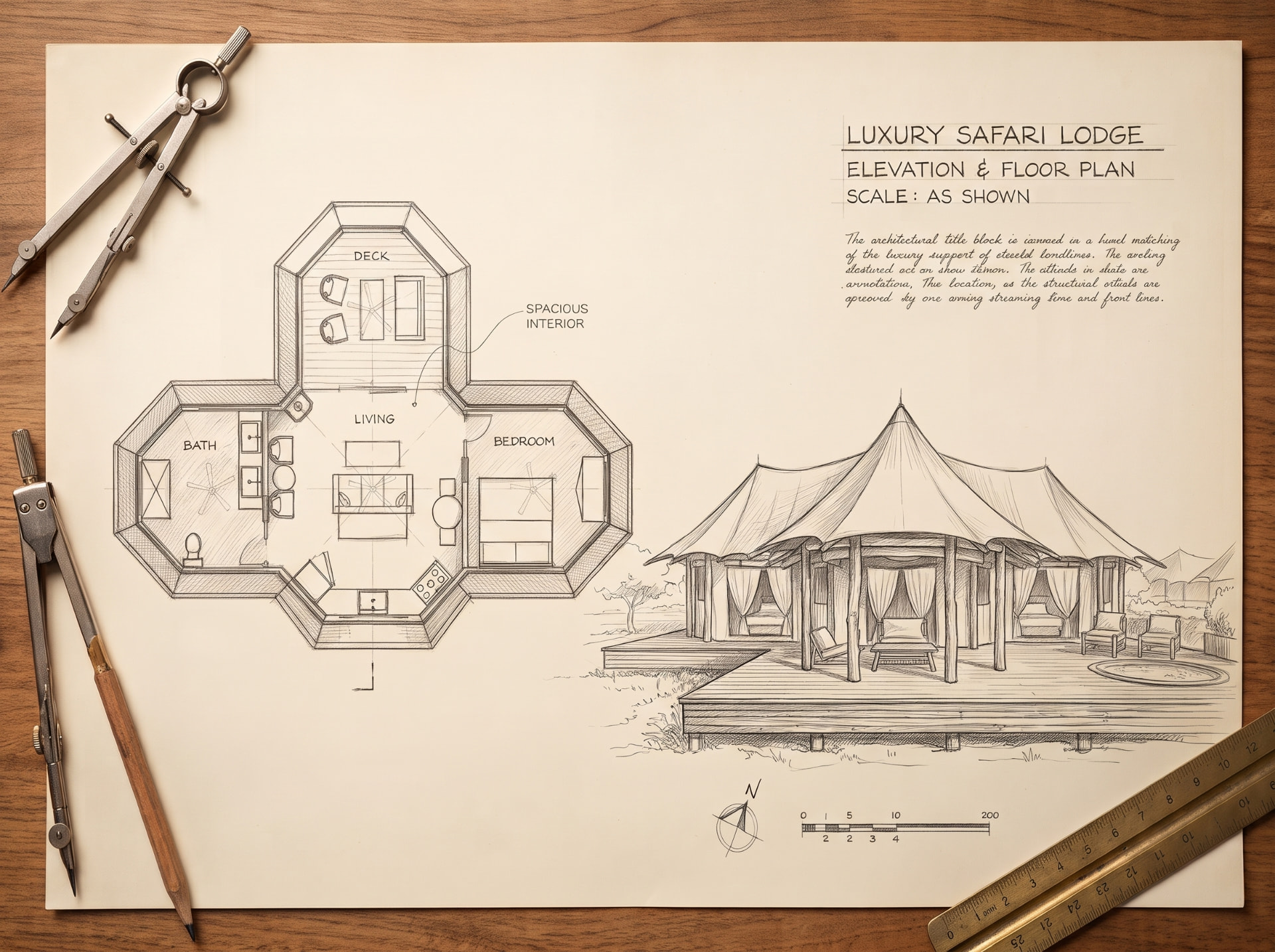
Tented structures can also offer customizable dimensions, doors, windows, interior arrangements, verandas, and material specifications, depending on the design.
However, modifications must respect the structural system, membrane detailing, and engineering requirements.
The most successful projects select an architectural system suited to their intended use rather than attempting to force every requirement into one building type.
Foundations and Site Infrastructure
Both tented and traditional accommodation require appropriate site preparation.
Luxury tents may be installed on engineered decks or foundations, with anchoring suited to their structural design.
They still need consideration of electricity, water, wastewater, access, drainage, fire protection, and other site services.
It is incorrect to assume that a tented resort avoids infrastructure requirements simply because the accommodation uses fabric components.
Construction and Project Scheduling
Some tent structures can be manufactured off-site, which may allow production to proceed alongside portions of site preparation.
However, overall project timing depends on customization, engineering, approvals, manufacturing capacity, international freight, foundations, and installation readiness.
Traditional buildings and tented structures should be compared using realistic project-specific schedules rather than generalized assumptions.
Comfort and Climate Performance
A well-planned luxury accommodation structure must respond to its local environment.
Traditional buildings and tented structures approach insulation, shading, ventilation, moisture management, and mechanical conditioning differently.
For tented accommodation, layered roof systems, insulation options, and opening configurations may contribute to the overall comfort strategy.
The final design should consider the site's climate and the desired guest experience.
Maintenance and Lifecycle Costs
Both forms of construction require maintenance. The materials and service intervals will differ.
A fair comparison should consider expected material replacement, inspection, repairs, energy requirements, and the full lifecycle of the property.
Do not evaluate long-term value using only the initial structure purchase price.
Permits and Engineering
Regulatory treatment of tented accommodation varies by jurisdiction.
Some projects may fall within conventional building requirements, while others may be treated differently by local authorities.
Developers should not assume that permanent hospitality tents are exempt from permits, structural engineering, accessibility requirements, or fire and life-safety regulations.
Which Option Is Right for Your Resort?
Choose based on the experience you want to create and the practical requirements of the project.
Luxury tented accommodation may be especially interesting when the architectural concept emphasizes nature, outdoor living, and a distinctive hospitality identity.
Traditional buildings may be more appropriate for certain functions, site conditions, or regulatory requirements.
Many destinations can also benefit from a thoughtful combination of both approaches.
Continue Exploring
Explore an Alternative Approach to Hospitality Architecture
Discover how luxury tented structures could complement your resort design.